How to select proper cameras when building a complete security monitoring system? Many users struggle to distinguish Pan-Tilt cameras from dome cameras. Are these two camera types applied in the same scenarios? Both types of devices are popular in retail venues and large industrial parks, yet Pan Tilt Zoom cameras and dome cameras are designed for totally different monitoring needs. Why is it important to tell them apart? Knowing their differences is the premise to improve coverage efficiency, control costs and upgrade overall security performance.
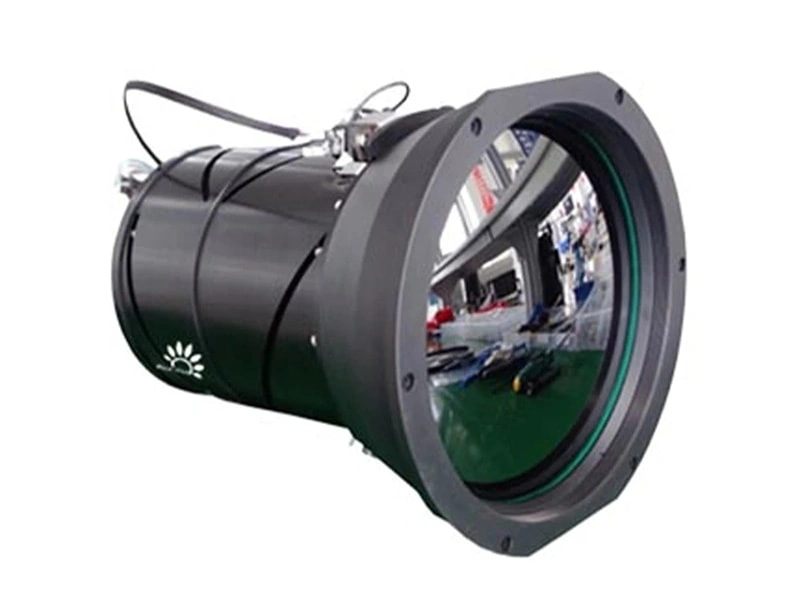
What is the core strength of PTZ cameras? The biggest feature of PTZ cameras is dynamic monitoring and long-distance target tracking. How do Pan-Tilt structures support flexible observation? Flexible Pan-Tilt structures allow the devices to adjust angles freely and focus on distant areas, so Pan Tilt Zoom cameras are favored for scenarios that need flexible observation and wide-range patrol. What are the advantages of dome cameras then? In contrast, dome cameras focus on fixed-point and uninterrupted monitoring of designated areas, which is more suitable for conventional fixed monitoring positions.
How to make the most of different camera devices? Reasonable collocation of PTZ cameras and dome cameras can maximize the value of the surveillance system. How to allocate their respective tasks reasonably? You can deploy Pan-Tilt devices for long-range patrol and dynamic tracking, and use dome cameras for fixed-area monitoring. Can we further enrich system functions? Matching them with long-range thermal cameras and ruggedized Pan Tilt Zoom bases can further enrich system functions, letting the whole surveillance solution adapt to diverse industrial and commercial application requirements.

Copyright © 2026 by KONWER Technology Co., Ltd. All Rights Reserved