Do you know what core components a dome camera consists of? How does a Pan Tilt Zoom device work with surveillance cameras? What obvious gaps exist between dome camera and PTZ in structure and application?
The dome camera is a classic integrated surveillance device. It combines integrated camera, zoom lens, decoder, spherical shield and other parts into one unit, also known as fast ball or ball machine. Inside a standard dome camera, you can find integrated camera module, high-speed stepper motor, embedded decoder board, dome shield and mounting brackets. Many dome cameras on the market are equipped with built-in Pan-Tilt structure, which helps the device adjust monitoring angles freely.
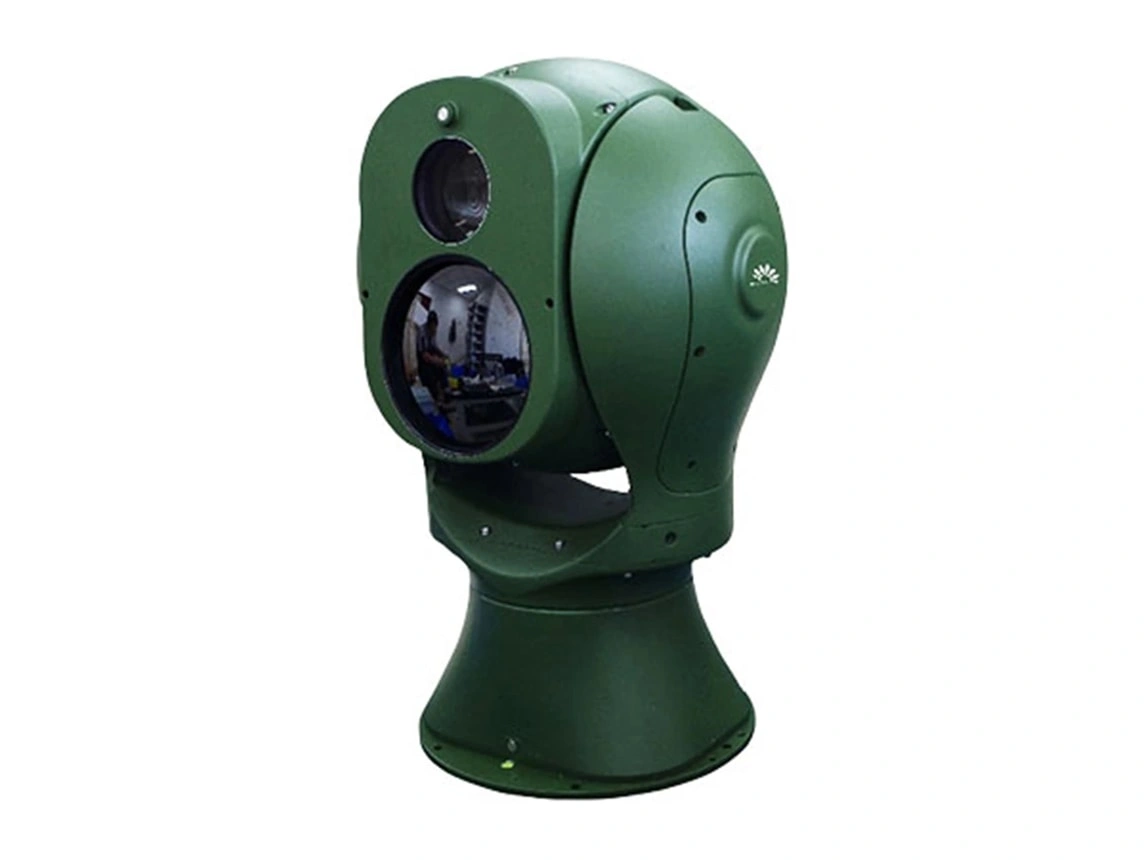
Do you wonder why traditional separate PTZ is widely used as supporting accessories? A standalone Pan-Tilt is a dedicated bracket for installing and fixing cameras, divided into fixed type and motorized type. The motorized Pan Tilt Zoom relies on two built-in motors to complete horizontal and vertical rotation, receiving control signals to realize accurate positioning and automatic scanning.
Will different installation scenarios affect your choice between dome camera and independent PTZ? Fixed Pan-Tilt fits small monitoring areas, while motorized Pan Tilt Zoom is ideal for large-range scanning. The integrated dome camera is compact, beautiful and easy to maintain, suitable for various open monitoring scenes. To sum up, integrated dome camera contains built-in Pan-Tilt components, while independent PTZ is a separate supporting device for ordinary cameras.

Copyright © 2026 by KONWER Technology Co., Ltd. All Rights Reserved