Abstract: With the widespread popularization of unmanned aerial vehicles (UAVs), both military and civilian domains are confronting increasingly severe UAV-related threats, making anti-UAV technology a core strategic technology of global concern.
The technical threshold and acquisition difficulty for UAVs have been continuously lowered, and the frequency of civilian-to-military converted UAVs being employed in terrorist attacks, armed conflicts and other high-risk scenarios is on the rise.
The primary targets of such attacks include military installations, economic infrastructure, political facilities, livelihood-related infrastructure, as well as key political figures.
To effectively mitigate the security risks posed by UAVs, particularly small civilian UAVs, domestic and foreign manufacturers have developed and deployed a variety of UAV countermeasure systems.
In general, these systems adhere to the operational logic of "detection-monitoring-positioning-tracking-countermeasure", integrating core equipment such as radar detection systems, optoelectronic tracking devices, radio reconnaissance and jamming equipment, and navigation deception systems.
Currently, the application scope of these anti-UAV equipment systems is expanding rapidly across various fields.
The Keywords of abstracts: UAV; anti-UAV equipment; radar detection; optoelectronic tracking; radio jamming
Target Threat Analysis and Impact on Social Order: The security threats brought by UAVs can be categorized into two key points:
1. Aerial Reconnaissance and Espionage: UAVs are typically equipped with high-resolution imaging modules and real-time video transmission systems, enabling long-range aerial surveillance, perimeter reconnaissance and fixed-point monitoring. Without any professional modification, these UAVs can be directly used for espionage activities, posing a serious threat to information security and privacy protection.
2. Hazardous Delivery Platforms: Given the stringent ground security and prevention measures at major events or in the vicinity of critical facilities, criminals may utilize UAVs to deliver explosives, biological agents, radioactive materials or illegal propaganda materials into targeted venues.
Leveraging GPS/Beidou navigation positioning technology, UAVs can penetrate the walls and fences of target areas even in complete darkness, accurately delivering hazardous items to designated locations without triggering security personnel alerts or alarm systems. The UAV bombing attempt targeting the Venezuelan president has served as a profound warning to the global community regarding the potential risks of UAV-related attacks.
How to solve it?
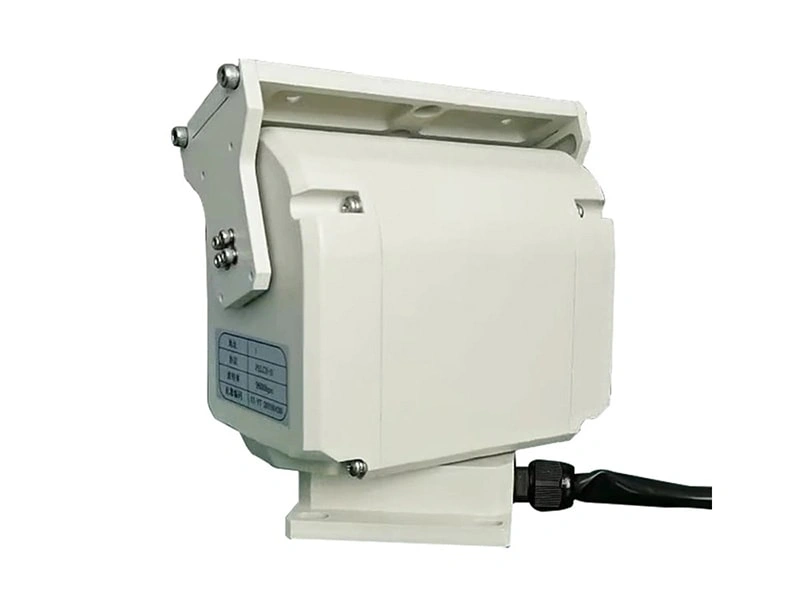
It is also our company research area, Pan-Tilt & Pan Tilt Zoom.

Copyright © 2026 by KONWER Technology Co., Ltd. All Rights Reserved