With the continuous upgrading of security monitoring technology, the control mode of PTZ cameras is evolving from traditional wired control to intelligent and wireless development. Modern PTZ cameras not only support conventional operations such as pan, tilt, left and right control, but also integrate AI algorithms and IoT technology, further expanding the application scenarios of the equipment.
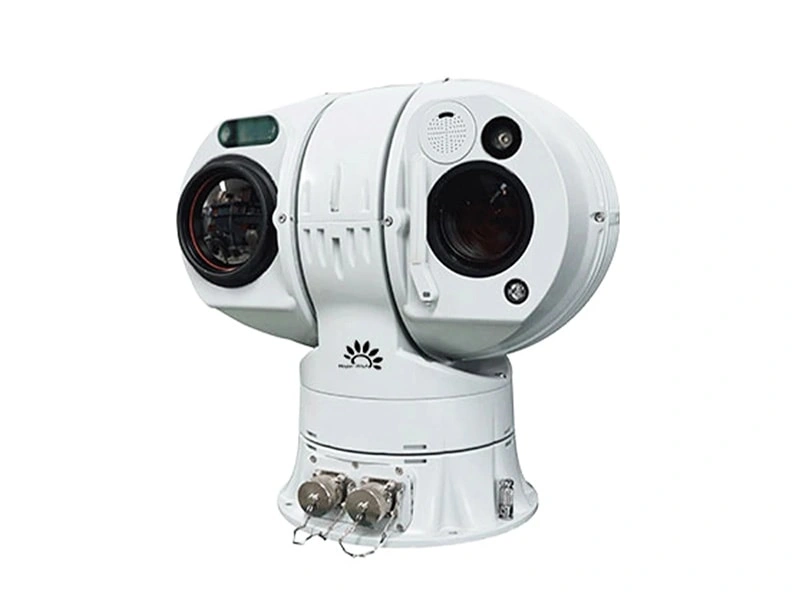
1. Intelligent Control Functions
- AI Tracking: Some high-end PTZ cameras are equipped with intelligent algorithms, which can automatically identify monitoring targets such as faces and vehicles, realize real-time dynamic tracking, and reduce the dependence on manual operation.
- Wireless Control: Remote control via Wi-Fi or 4G/5G networks, suitable for diverse scenarios such as drones and mobile monitoring.
- Voice Control: Some consumer-grade PTZ cameras support voice command control, greatly improving the convenience of equipment operation.
2. Future Development Trends
- Lightweight Design: The application of new materials such as carbon fiber enables PTZ cameras to maintain high load capacity while effectively reducing their own weight.
- Low Power Consumption Optimization: Equipped with high-efficiency motors and energy-saving algorithms to improve the battery life of outdoor PTZ cameras.
- Multi-device Collaboration: In the future, PTZ cameras can be linked with other security devices such as radars and infrared sensors to build an integrated intelligent monitoring network.
Intelligence and wirelessization are the core development directions of PTZ cameras in the future. Users can give priority to models equipped with AI functions when purchasing to meet more complex monitoring needs.

Copyright © 2026 by KONWER Technology Co., Ltd. All Rights Reserved