In outdoor reconnaissance, perimeter inspection and industrial monitoring scenarios, thermal scope and night vision goggles have obvious functional differences, and both can form a powerful monitoring combination with Pan Tilt Zoom equipment to improve all-weather detection ability. Reasonable matching with intelligent PTZ can make up for the single functional limitation of optical night vision equipment.
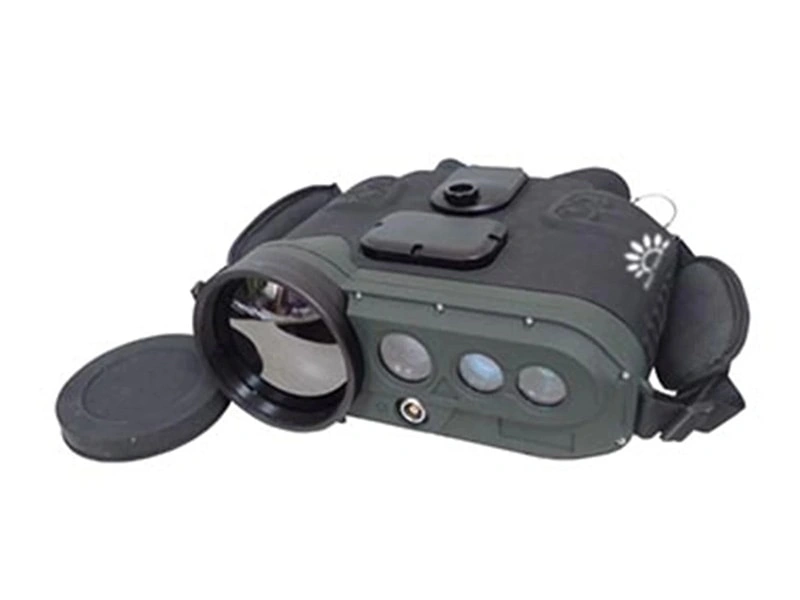
First of all, the imaging principles are completely different. Traditional night vision goggles rely on image enhancement systems to reflect external ambient light for imaging, and are greatly restricted by light intensity. In contrast, thermal scopes capture the infrared heat energy radiated by objects and convert it into visible thermal images. When cooperating with a rotating Pan Tilt device, thermal imaging equipment can cooperate with Pan Tilt Zoom to complete large-range scanning and fixed-point accurate observation.
Secondly, there are differences in visual effect and viewing angle. Ordinary night vision goggles present circular green images through direct lens observation, while thermal scopes display square pictures through the built-in LCD screen, presenting different brightness according to temperature distribution. When mounted on an industrial Pan Tilt bracket, thermal imaging devices can cooperate with the rotation of PTZ to quickly lock high-temperature abnormal targets such as personnel and fire sources.
In addition, anti-interference and core attributes are different. Night vision devices are easily affected by dark environments and cannot work normally in heavy fog, heavy rain and harsh weather. Thermal scopes are not affected by light changes, realizing clear monitoring day and night. Assisted by the flexible rotation of Pan Tilt Zoom, thermal imaging and night vision equipment can give full play to their respective advantages, and provide reliable all-weather safety protection for fire prevention, security inspection and outdoor warning projects.

Copyright © 2026 by KONWER Technology Co., Ltd. All Rights Reserved